
Sea Tumbled Bricks: What They Are & Why Collectors Love Them
Have you ever picked up a smooth terracotta fragment on the shoreline, convinced it was a stone, only to discover it was actually part of an old brick?
Sea tumbled bricks are becoming one of the most fascinating discoveries in modern beachcombing. Shaped by decades of rolling tides, sand, and saltwater, these ocean-worn fragments transform ordinary construction materials into unique coastal treasures with rich maritime history behind them.
While sea glass and sea pottery often attract the most attention, collectors are increasingly searching for authentic sea brick pieces thanks to their earthy colours, unusual textures, and decorative appeal.
What Are Sea Tumbled Bricks?
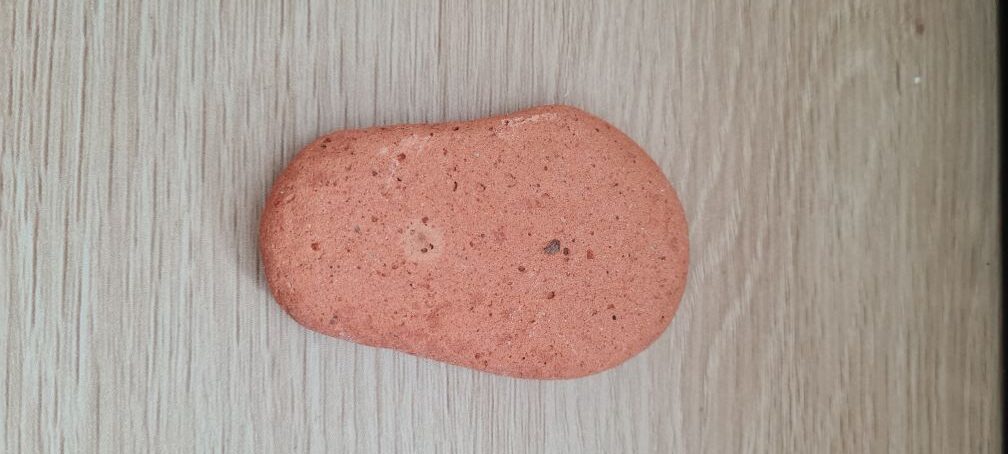
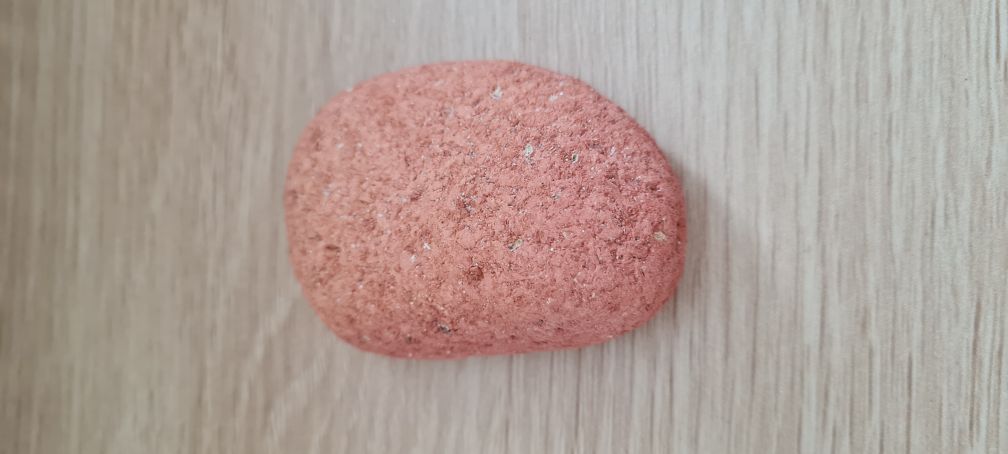
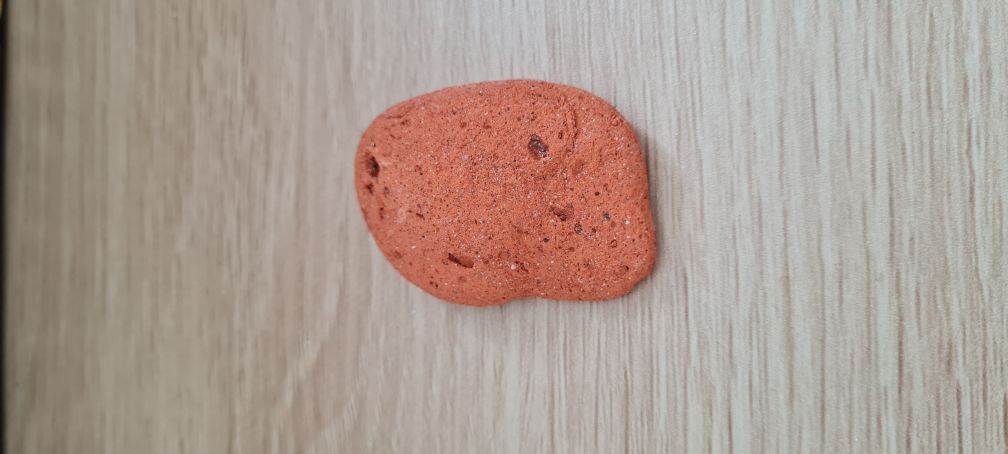
Sea tumbled bricks are fragments of antique or vintage clay bricks that have been naturally smoothed by the ocean over many decades. Constant exposure to waves, shifting sand, and tidal movement gradually removes sharp edges and creates the soft, rounded appearance that collectors look for.
These beach brick fragments are often found along historic coastlines, harbour areas, old industrial beaches, and shorelines connected to maritime trade routes.
Unlike modern bricks, older bricks were typically handmade using local clay and fired in traditional kilns, giving each piece distinct colours and textures that become even more striking after years in the sea.
Where Do Ocean-Tumbled Brick Pieces Come From?
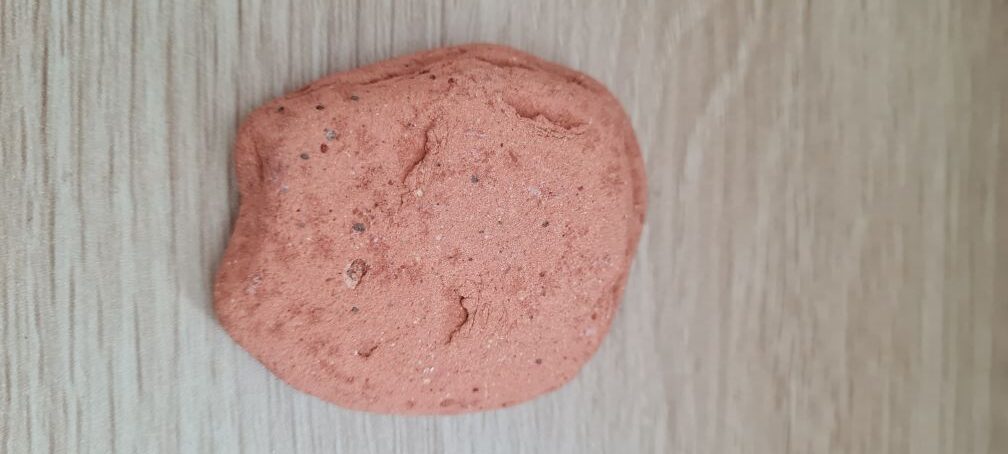
Every piece of ocean tumbled brick carries a small piece of coastal history. Many fragments discovered during beachcombing originate from:
Historic Shipwrecks
Ships transporting building materials occasionally lost cargo during storms or wrecks, leaving brick fragments to tumble in the surf for decades.
Old Coastal Buildings & Docks
As coastlines erode, remnants of old factories, sea walls, docks, and historic homes slowly break apart and enter the shoreline environment.
Maritime Ballast
Early merchant vessels often used bricks and stones as ballast to stabilise their ships before loading valuable cargo.
Over 50 to 100 years or more, the sea acts as a natural tumbler, turning rough industrial debris into smooth sea-worn terracotta pieces prized by collectors and artists alike.
Why Beachcombers Collect Sea Bricks
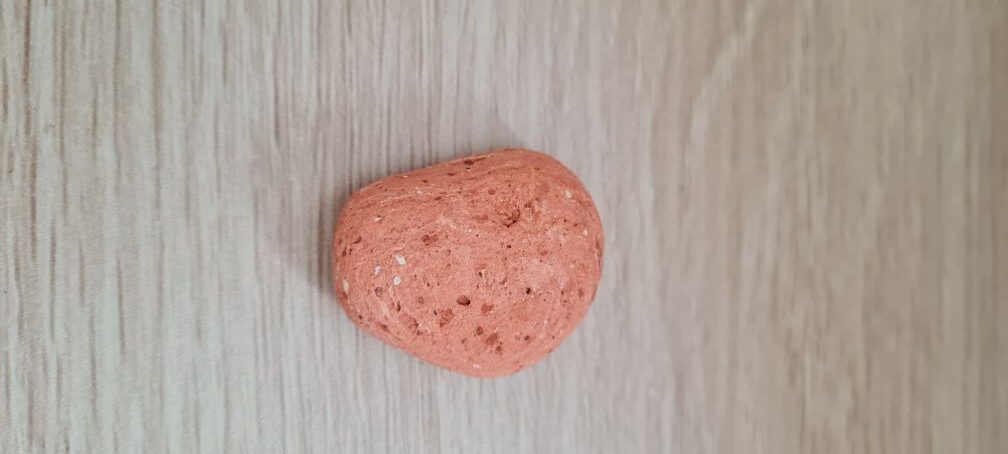
Sea bricks have become increasingly popular because no two pieces are ever identical. Their weathered surfaces, muted tones, and historical character make them highly appealing for both collecting and creative projects.
Unique Natural Textures
Ocean tumbling reveals the porous texture of antique clay, producing a soft matte finish that contrasts beautifully beside glossy sea glass and beach pottery.
Rich Coastal Colours
Collectors search for shades ranging from deep crimson and burnt orange to pale cream, yellow-buff, and faded terracotta.
Genuine Maritime Character
Each fragment has been shaped naturally by tides and time, making authentic sea tumbled brick far more appealing than artificially distressed materials.
Rare Colours & Features to Look For
Some beachcombing finds are especially sought after by collectors.
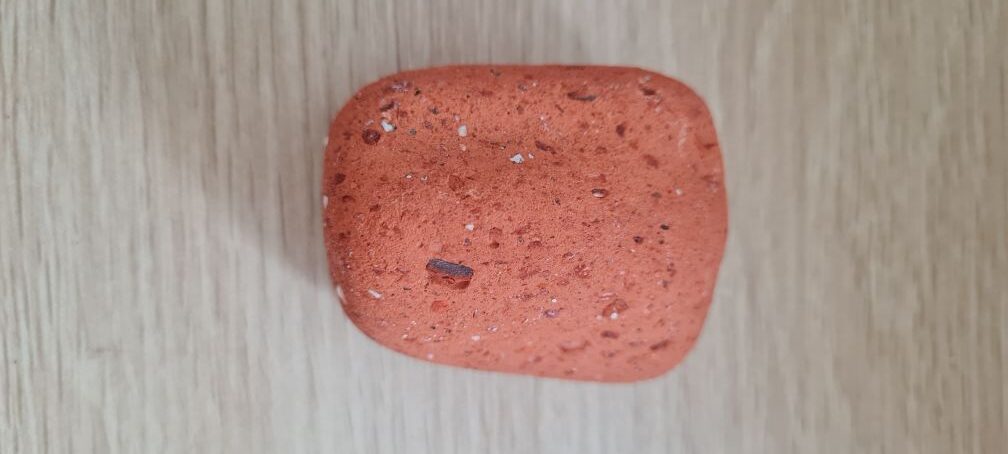
Rare sea brick pieces may include:
- Cream or buff-coloured clay
- Extremely rounded “nugget” shapes
- Brick fragments with visible kiln marks
- Pieces containing old mineral inclusions
- Smooth sea-worn terracotta with unusual marbling
Winter storms and strong tidal shifts often expose older shoreline layers where the best antique brick fragments can be found.
How to Identify Genuine Sea Tumbled Brick
Authentic ocean-tumbled brick usually has:
- Rounded edges with no sharp corners
- A naturally worn matte texture
- Tiny surface pits created by years of abrasion
- Colour fading caused by prolonged saltwater exposure
- Uneven smoothing rather than machine-polished surfaces
Artificially tumbled pieces often appear too uniform or overly smooth.
Creative Ways to Use Beach Brick Fragments
Sea tumbled bricks are incredibly versatile and work beautifully in rustic home décor and handmade crafts.
Mosaics & Coastal Art
The warm red and terracotta tones create stunning contrast against blue and green sea glass in wall art, stepping stones, and tabletops.
Wire-Wrapped Jewellery
Small rounded sea brick nuggets make striking pendants and earthy statement jewellery with a natural coastal feel.
Succulent & Air Plant Displays
Beach brick fragments can be layered over soil as decorative top dressing while helping with moisture control.
Natural Essential Oil Diffusers
Because antique clay brick is naturally porous, a few drops of essential oil can turn a smooth fragment into a subtle, long-lasting diffuser for shelves, desks, or bedside tables.
Rustic Interior Styling
Larger sea brick pieces are increasingly used in coastal-inspired interiors, mixed media artwork, and reclaimed material displays.
Sea Brick vs Sea Pottery
Although both are popular beachcombing finds, sea bricks and sea pottery are quite different.
Sea pottery usually comes from glazed ceramics or household crockery, while sea tumbled brick originates from construction materials and architectural clay products. Sea brick tends to have a more natural, earthy appearance with softer matte textures.
Many collectors enjoy displaying beach pottery and brick together because the contrasting finishes complement one another beautifully.
Frequently Asked Questions
Are sea tumbled bricks rare?
Common red fragments can be found on some historic coastlines, but well-rounded pieces, unusual colours, and larger fragments are much harder to discover.
Where can you find sea bricks?
They are often found near old ports, industrial shorelines, estuaries, historic coastal towns, and areas connected to maritime activity.
How old are sea brick fragments?
Many pieces are estimated to be between 50 and 150 years old, depending on the coastline and source material.
Can sea bricks be used for crafts?
Yes. Their durability and unique appearance make them ideal for mosaics, jewellery, coastal décor, and mixed media artwork.
Authentic Ocean-Tumbled Brick Pieces
Many of the sea tumbled bricks in our collection are recovered after storms reveal older coastal layers along historic shorelines. Every fragment has been naturally shaped by years of tidal movement, giving each piece its own colour, texture, and maritime character.
If you enjoy collecting genuine beachcombing finds, explore our latest collection of authentic sea brick fragments and ocean-worn terracotta pieces to find the perfect addition to your next creative project.